About the threaded rod
What the threaded rod does on a fire line, and how to specify it.
The workhorse of hanger assemblies
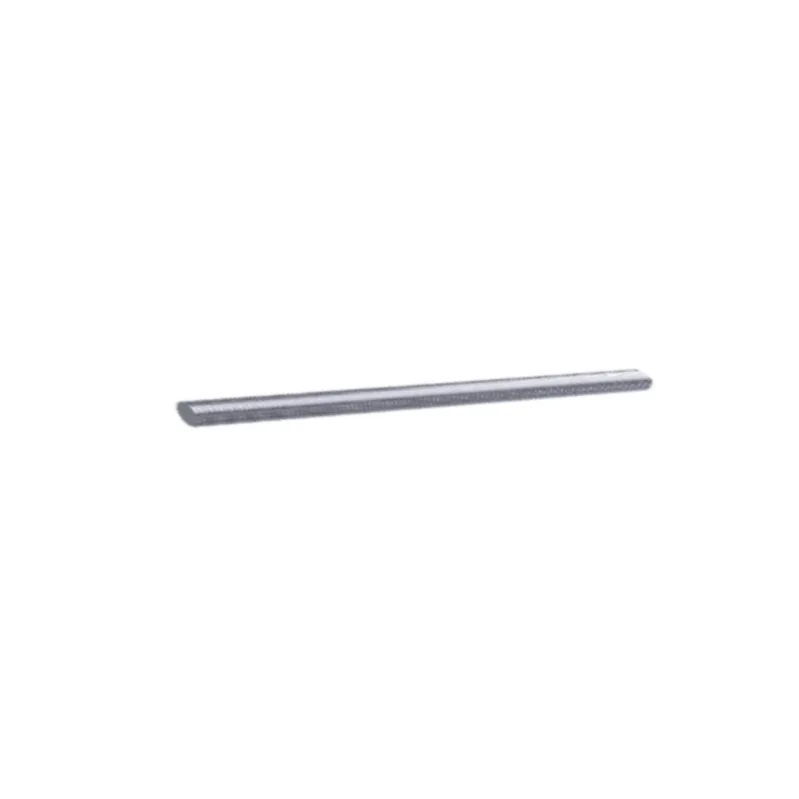
Nearly every hanger in this range hangs off a length of threaded rod. The rod carries the pipe load up to the anchor, and the nuts, washers and hanger body thread onto it to build the assembly. Get the rod right and the whole support is sound; get it wrong and the hanger above it is only as good as the rod it is threaded into.
Specifying length and thread
The rod is cut to the length the assembly needs and threaded along its full length. Specify the length to the drawing and the thread to match the nuts and the anchor. Pair it with the matching hex nuts and washers from the same range so the threads and finish line up.
Material and finish
Carbon steel, electro-galvanized. The zinc layer protects the exposed thread, which is the part most likely to see damp air, so the rod does not seize or rust where it matters at the anchor.
Ordering it right
Send the line with the rest of the assembly rather than as a single part. State the size against the pipe outside diameter it serves, the finish, and the count. Pair it with the matching threaded rod, nuts, washers and anchors from the same range, and flag whether the design needs the fire-rated, FM/UL marked version, so the support arrives with the pipe instead of chasing it later.